Menu
Bolivia
Dominican Republic
El Salvador
Guatemala
Honduras
Nicaragua
Mexico
Peru




result
result

PHYSICIAN
HIGHLIGHT
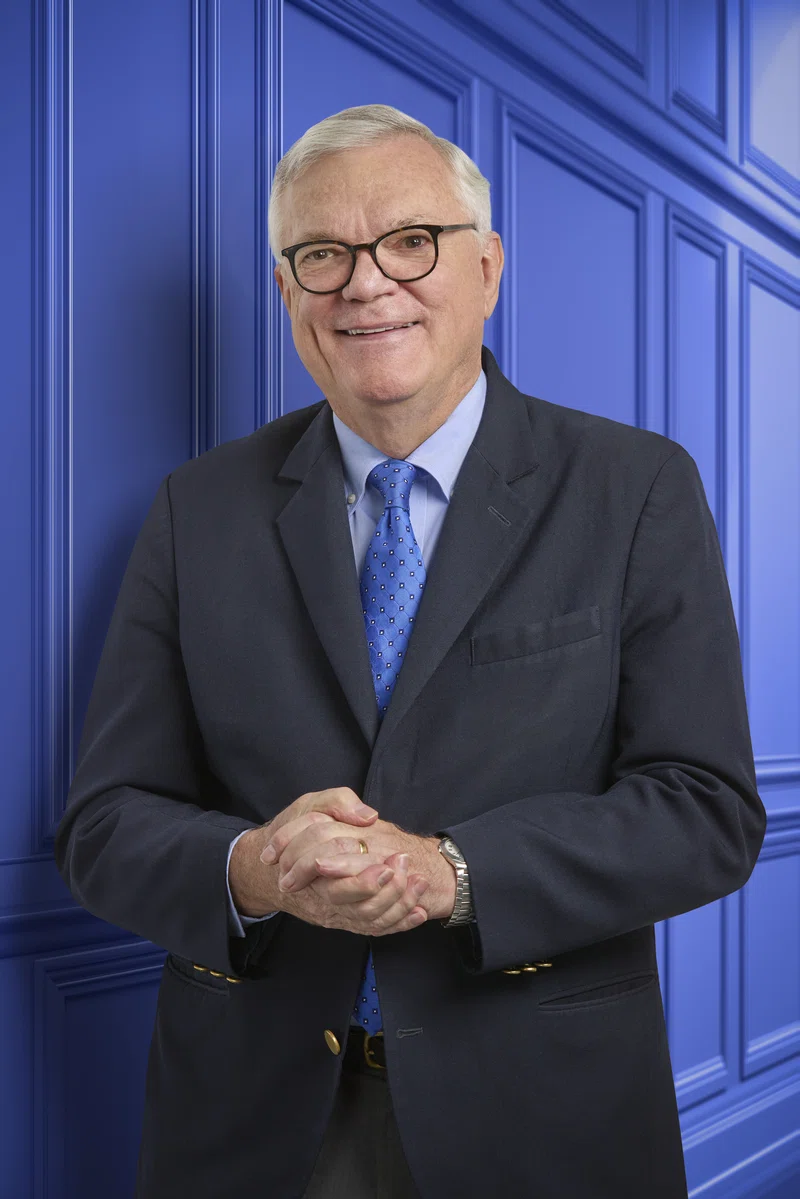
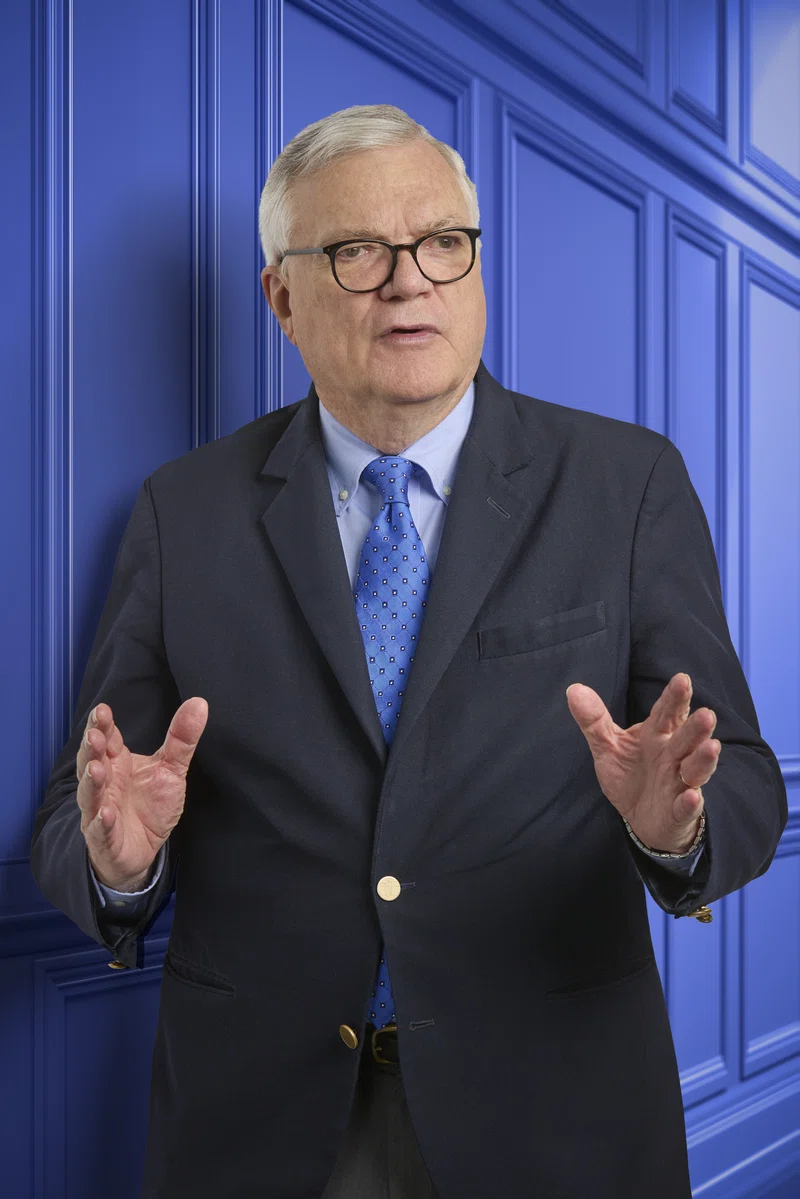
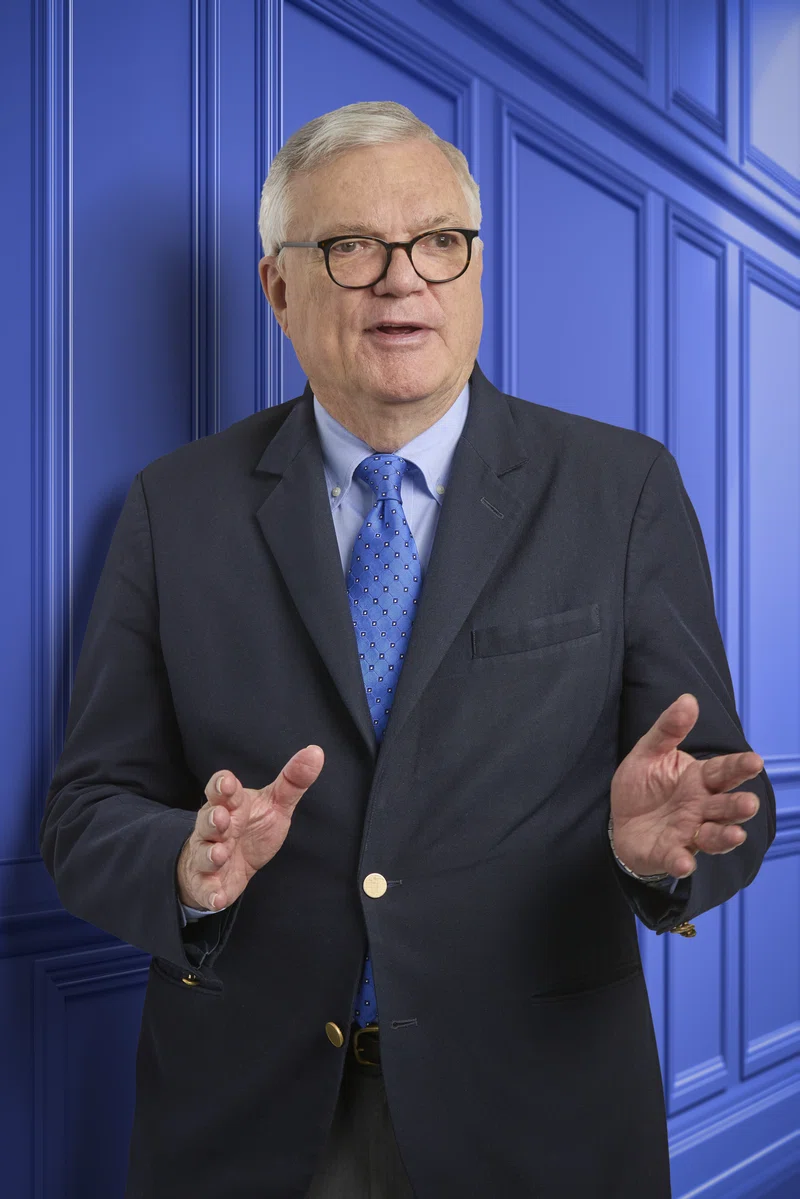
EAMONN M. M. QUIGLEY, MD
David M. Underwood Chair of Medicine in Digestive Disorders
Director, Lynda K. and David M. Underwood Center for Digestive Health
Houston Methodist Charles W. Duncan Jr. Department of Medicine
Professor of Medicine, Weill Cornell Medical College
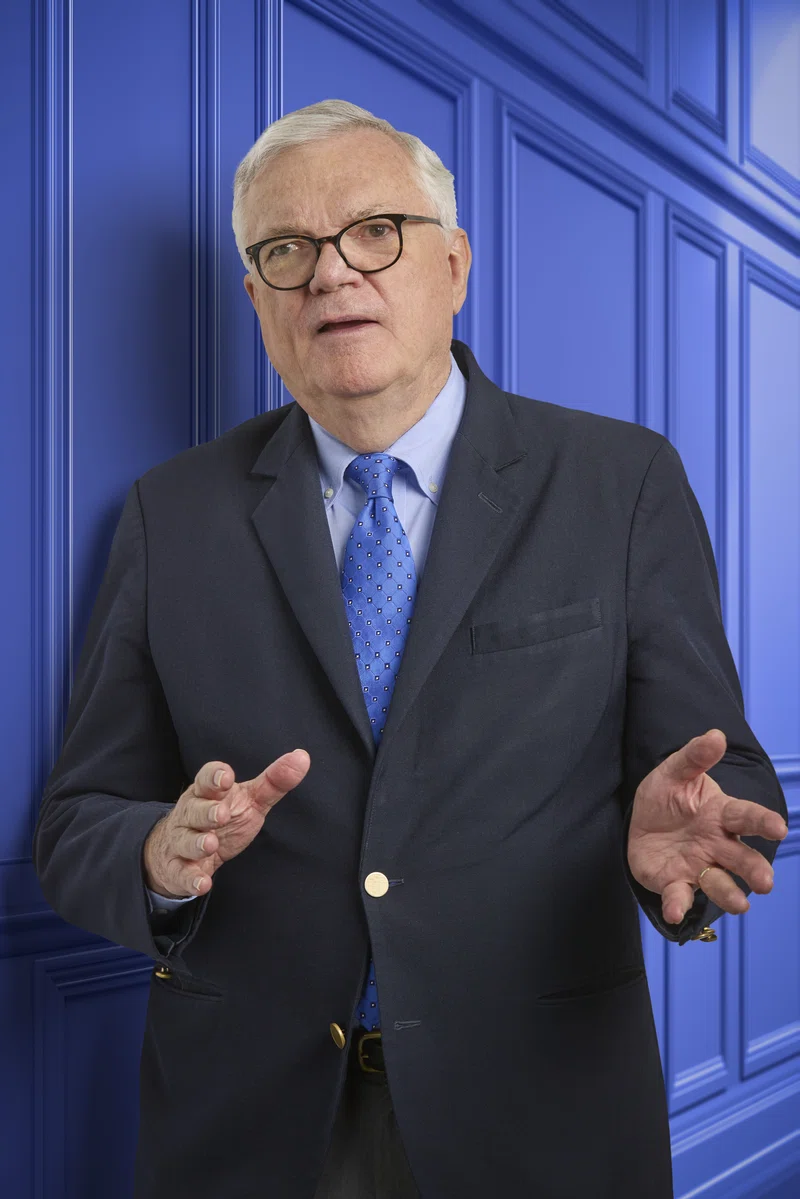
Dr. Eamonn Quigley has witnessed — and fueled — life-changing advances during his nearly 50 years in the field. As he looks to retirement in 2026, he reflects on his work and the many recent wins for patients with complex gastrointestinal (GI) illness.
Q: GIVEN THE GI TRACT'S ROLE IN OVERALL HEALTH, WHERE IS THE FIELD HEADED?
Q: GIVEN THE GI TRACT'S ROLE IN OVERALL HEALTH, WHERE IS THE FIELD HEADED?
My career spans half a century, and the changes have been dramatic. A central part of my research has been studying the so-called gut-brain axis. Indeed, one could now also talk about a gut-liver or gut-lung axis given the many links between the gut and other organs and how integral gut function is to whole body homeostasis. From metabolic-associated fatty liver disease to the effects of stress on the gut to how gut inflammation can exacerbate depression — it is simply impossible to segregate the gut from the rest of the body in a broader concept of health.
Q: WHICH AREAS OF RESEARCH HOLD THE GREATEST PROMISE?
Q: WHICH AREAS OF RESEARCH HOLD THE GREATEST PROMISE?
Inflammation plays a fundamental part in the development of so many disease states; getting to the essence of what promotes it is critical. I’m particularly excited about farsighted programs like the Houston Methodist Food and Health Alliance and the Fondren Inflammation Collaborative, ventures within the Underwood Center for Digestive Health that encourage multidisciplinary clinical and translational research into immunologic, allergic and autoimmune disorders in the GI tract, with inflammation as the final common denominator. Of course, there’s also been unbelievable progress in technology as it applies to GI medicine and surgery. Dr. Bincy Abraham has spearheaded a truly pioneering bowel diagnostic tool — bowel ultrasound, a game-changer in the management of inflammatory bowel disease.
Q: HOW HAS PHILANTHROPY SET THE UNDERWOOD CENTER APART?
Q: HOW HAS PHILANTHROPY SET THE UNDERWOOD CENTER APART?
The original philanthropic investment by the Underwood family to create the center was truly a catalyst for exponential growth. Every specialty related to GI medicine and surgery at Houston Methodist is where it is today thanks to it. The Underwood Center is now recognized nationally and even internationally as a multisite, multidisciplinary program that is a leader in the promotion of digestive health, and that first gift laid the foundation for even more support due to the philanthropic community’s incredible respect for the Underwoods.
Q: What has been most fulfilling about your career as a gastroenterologist?
Q: What has been most fulfilling about your career as a gastroenterologist?
Patient care is always front and center. Seeing how I have positively impacted a patient’s life will always be what gives me the greatest satisfaction. Also, watching our trainees and fellows go out into the world, either to private or academic practice, and seeing them thrive based on the training we’ve provided is something you appreciate more as your career progresses. And, of course, maintaining a research profile and being involved in important clinical and translational trials and studies has always brought me great satisfaction. I still take real pride in every paper we publish as a GI division. It’s a team sport.
Q: What do you look forward to most in retirement?
Q: What do you look forward to most in retirement?
It’s very simple, really — time. Traveling with my wife to visit our children and grandchildren as well as traveling back to Ireland, where we still have family, are top of the list. When you’re together with those you love, you realize how much you miss them and how special that time really is.
Q: What will you miss most about your days at Houston Methodist?
Q: What will you miss most about your days at Houston Methodist?
I have wonderful colleagues, and they extend right across the board — from gastroenterology to surgery and our wonderful staff, nurses, technicians, administrators and all who support our efforts in gastroenterology and hepatology across Houston Methodist Hospital and the entire system. That’s the thing I’ll miss most. It’s remarkable to me how supportive everyone is — how quickly and willingly people volunteer to help each other. I think that’s a great reflection on Houston Methodist.