


result
result

31 Gifts. One Mission.

THE POWER OF COLLECTIVE GIVING IN ELEVATING RHEUMATOLOGY CARE
They say it takes a village. In this case, it took a community of committed philanthropists united by a singular vision: to improve the lives of thousands of Houstonians affected by rheumatic and inflammatory diseases. These often enigmatic conditions primarily affect the joints, muscles, bones and connective tissues and are challenging to diagnose. They can spread to other parts of the body as well, such as the skin, eyes, heart, lungs and blood vessels, causing symptoms like pain, swelling, stiffness and fatigue.
“WE ESSENTIALLY BECOME PART OF A SHARED LIFELINE. IN THIS CASE, 31 GIFTS CAME TOGETHER TO MULTIPLY THE GENEROSITY OF EACH — ALL BECAUSE WE UNITED BEHIND A COMMON CAUSE.”
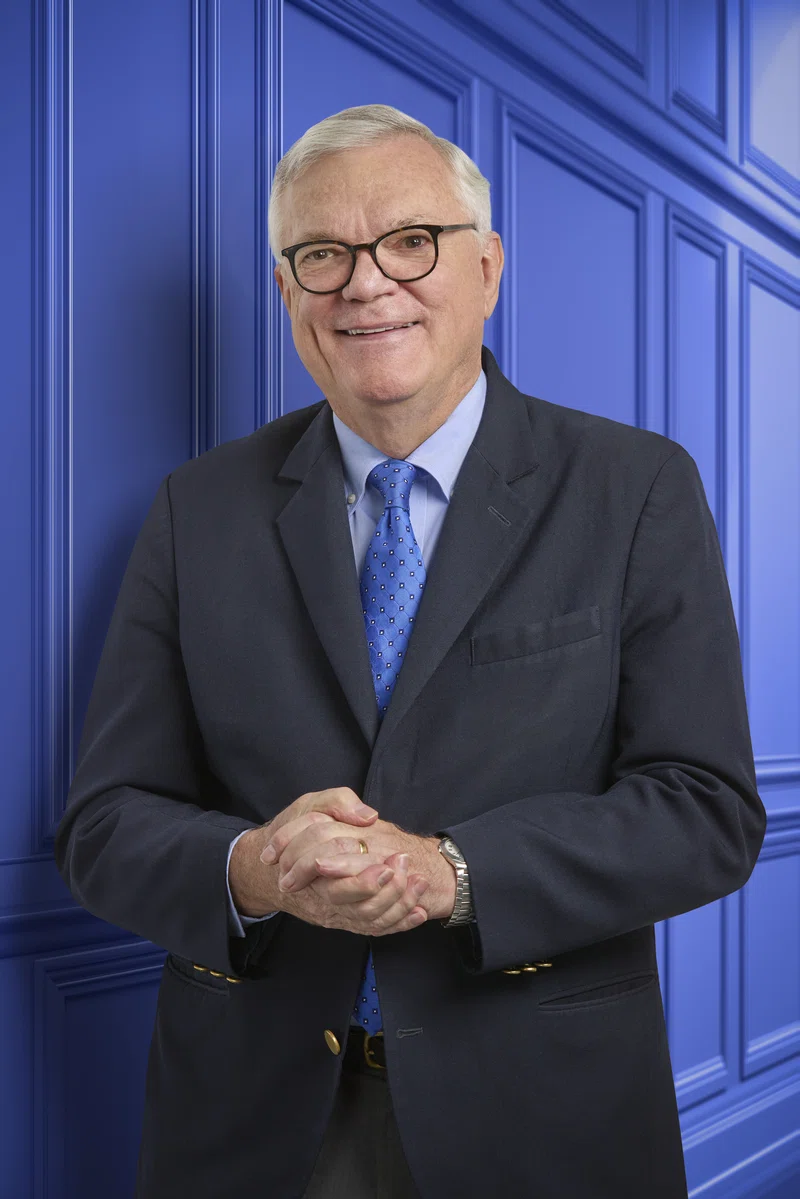
Years after longtime Houston Methodist benefactor Lloyd "Lucky" Burke’s instrumental role in the 2017 creation of the Houston Methodist Immunology Center, he recognized the need to expand the center’s research potential — a critical component for launching clinical trials — through the establishment of an endowed chair position. Understanding that a single large donation might be out of reach for many, Burke helped rally 30 other individuals to join him in making the Houston Methodist Chair in Rheumatology a reality.
“It required a great deal of work by a lot of people over several years, but we are now at a point where bringing on a talented individual with this endowed position is within reach,” reflects Burke.
Endowed chair positions are among the most prestigious academic appointments, offering permanent funding to outstanding physician-scientists to support trailblazing research, exceptional clinical care and scholarly excellence. They enable distinguished faculty to pursue high-reward projects, attract top-tier students and collaborators, and enrich academic programs.
Given the complex interplay between the fields of rheumatology, immunology and endocrinology, the selected candidate will be a leading researcher dedicated to advancing the missions of both the Division of Rheumatology and the Immunology Center. While rheumatology addresses musculoskeletal and autoimmune conditions, immunology focuses on the immune system’s function and dysfunction. Endocrinology, on the other hand, manages hormonal imbalances, which affect numerous bodily systems, causing physical symptoms but also leading to more serious medical conditions, such as diabetes, thyroid disorders, infertility and certain cancers. These disciplines often converge — particularly in autoimmune diseases — underscoring the importance of integrated research and care.
Burke points out that just as these intricate systems of the human body intertwine in illness and healing, so too can the efforts of philanthropic friends who might come together to support a community.
“We essentially become part of a shared lifeline,” he says. “In this case, 31 gifts came together to multiply the generosity of each — all because we united behind a common cause.”