


result
result

Patient Experience
SPRING 2026
Mind the Gap

BRIDGING THE DIVIDE BETWEEN PEDIATRIC AND ADULT IBD CARE
There are many well-known milestones on the journey from adolescence to adulthood — deciding whether or not to attend college, leaving home for the first time and starting a career, to name a few. But for young people living with inflammatory bowel disease (IBD), one milestone has proven especially difficult: the transition from pediatric to adult medical care. Researchers predict IBD will affect as much as 1% of the population within the next decade. The good news is there has been remarkable progress in the diagnosis and treatment of IBD, with many innovative new treatments coming to light. Although this is great news for the IBD sufferer, it also means providing optimal care has become more complicated and requires very specialized expertise. This can make finding a specialist who is accepting new patients both arduous and time consuming, and a lapse in care can have serious consequences.
“If I’m in remission and I have to wait a long time for a new doctor to see me, that creates added stress that can cause a flare-up,” says clinical psychotherapist and IBD advocate Danielle White, PhD, who was diagnosed with Crohn’s disease and ulcerative colitis at the age of 15. Although she is now a long-term patient of Dr. Bincy P. Abraham, the Fondren Distinguished Professor in Inflammatory Bowel Disease at the Houston Methodist Underwood Center for Digestive Health, White once endured more than 14 months without access to care for her chronic illness after aging out of pediatric treatment at Texas Children’s Hospital.
"MY DOCTORS HAVE SUPPORTED ME IN ALL OF MY GOALS. THEY TRULY SEE ME AS A WHOLE PERSON AND DON’T DEFINE ME ONLY BY MY ILLNESS."
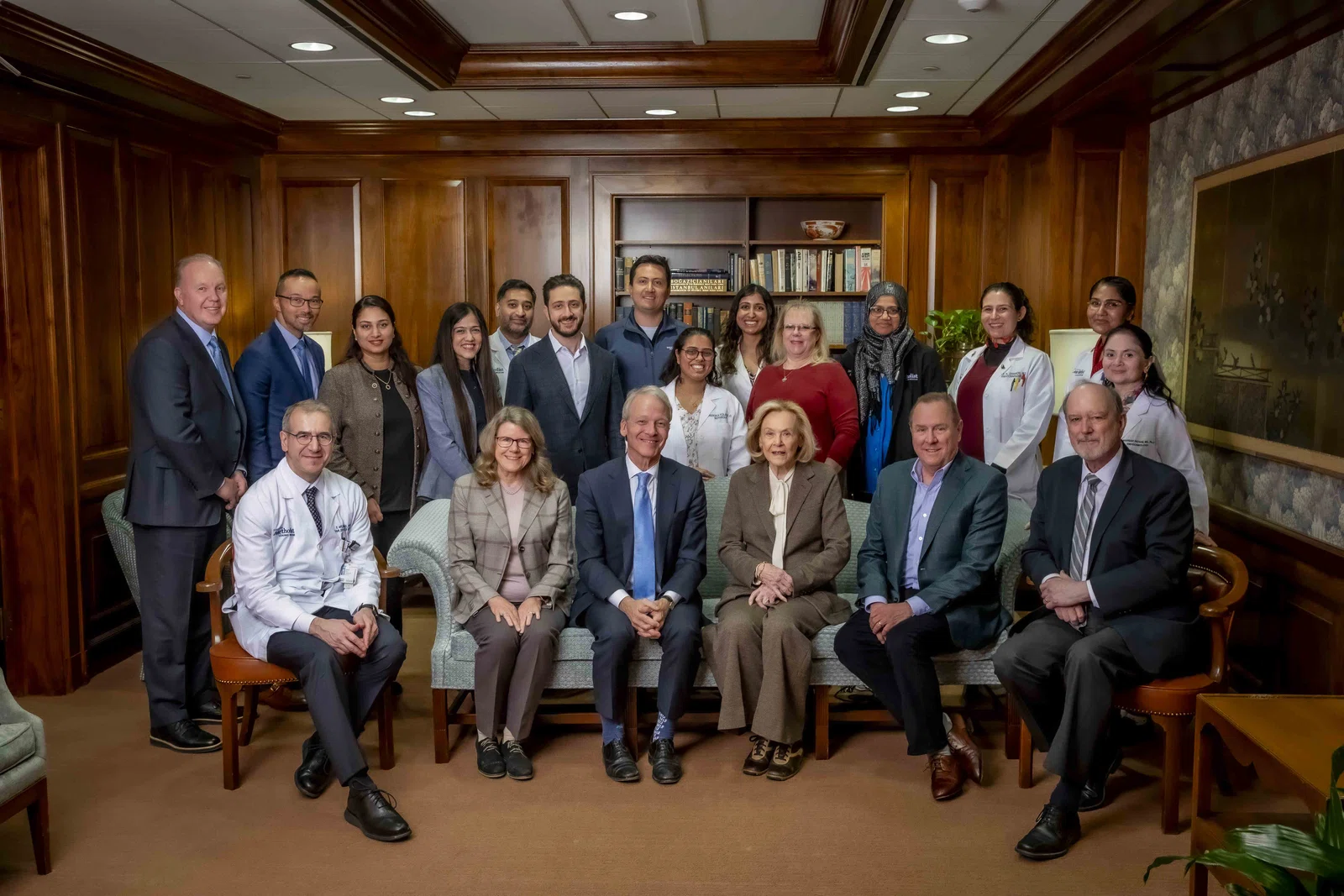
Stories like White’s are the inspiration for a new, first-of-its-kind partnership between Houston Methodist and Texas Children’s. Empowered by a transformative commitment from The Fondren Foundation, dedicated transition teams at both institutions will coordinate multidimensional support for young adults with IBD, ensuring they receive seamless, continuous care. In accordance with the Underwood Center’s holistic methodology, patients can expect not only world-class medical treatment but also nutritional, psychological and socioeconomic support to truly help manage all aspects of their disease. “These ailments have great impact on the individual beyond just the physical — there are also psychological and social repercussions,” says Dr. Eamonn M. M. Quigley, director of the Underwood Center. “The goal behind this program is to factor in and cater to all of those needs.”
White attests to this approach. “My doctors have supported me in all of my goals. They truly see me as a whole person and don’t define me only by my illness,” she adds. “I’ve been genuinely blessed to have Dr. Abraham in my life.” The confidence gained from knowing her IBD is well managed encouraged White to accomplish many more of life’s milestones, such as earning her doctorate and traveling out of the country for the first time.
In addition to helping young adults with IBD thrive as White has, the Fondren IBD Transition Program promises to advance scientific understanding of gastrointestinal inflammatory diseases, paving the way for novel therapies through research and clinical trials. The combined data resources of Houston Methodist and Texas Children’s will provide the foundation for groundbreaking studies into how IBD progresses over patients’ lifetimes and will give physician-scientists vital insight into changes in microbiome composition and inflammatory and immune responses.
The importance of this improved understanding is underscored by a notable increase in the incidence of pediatric IBD cases. “The forms of IBD that begin very early in childhood are relatively rare, but they are becoming more common,” Dr. Quigley explains. “These individuals tend to have quite an aggressive form of disease that requires a great deal of research; tracking their development from the time of their diagnosis into adulthood will be critical to maintaining their progress and helping prevent deterioration in their disease.”
This revolutionary model of care, made possible through the visionary support of The Fondren Foundation, builds on a legacy of patronage and reaffirms a steadfast commitment to elevating gastrointestinal care. Sums up Dr. Quigley: “We are intensely grateful to The Fondren Foundation for supporting this initiative. Their foresight and advocacy continue to have a profound impact on our patients and our practice, enabling us to redefine care for inflammatory diseases for current and future generations.”
Discover More