


result
result

TRANSLATIONAL RESEARCH
SPRING 2026
Adapt and Overcome
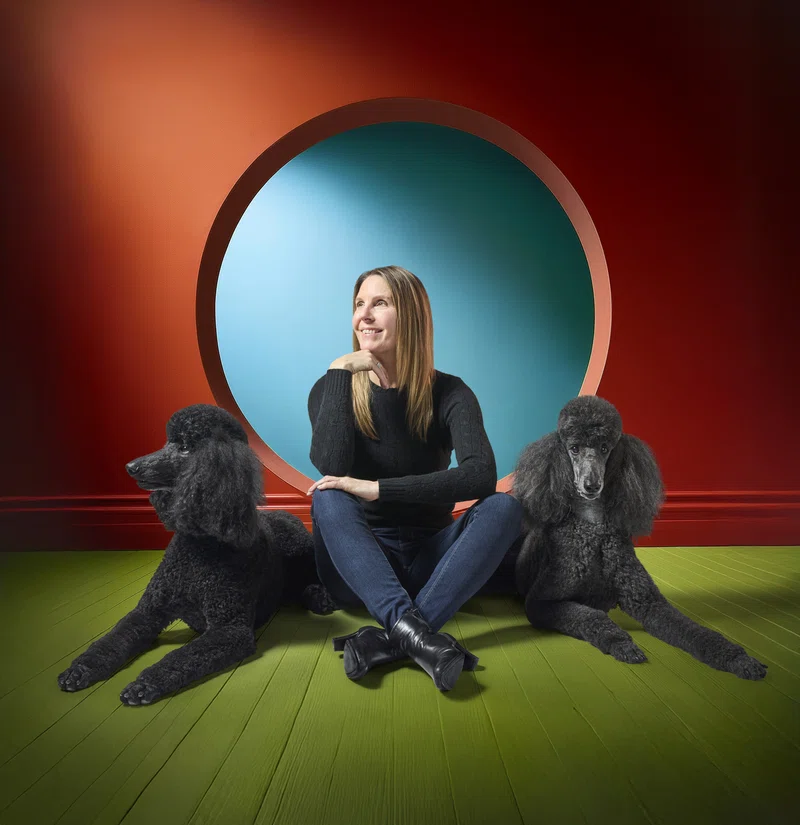
Dr. Jimmy D. Gollihar, head of the ADAPT laboratory
A PANDEMIC-ERA COLLABORATION SPARKS A NEW MODEL FOR PERSONALIZED CARE
It was March 2020. The SARS-CoV-2 virus was spreading rapidly across the United States, overwhelming hospitals while clinicians urgently searched for anything that might help protect their most vulnerable patients. Amid this uncertainty, Jimmy D. Gollihar, PhD, was working at The University of Texas at Austin in close collaboration with physician-scientists in the Houston Methodist Department of Pathology and Genomic Medicine. The team was among the first to acquire and test blood samples from recovered COVID-19 patients to determine whether their antibodies could neutralize the virus in immune-compromised individuals.
The partnership forged during those frantic early weeks not only guided clinical treatment decisions over the course of the pandemic but also set the stage for Dr. Gollihar’s eventual move to Houston Methodist. “We were translating ideas from the laboratory to the market, and seeing an immediate impact on patients was eye-opening,” he says. “We wanted to pursue that on a larger scale.”
"SEEING AN IMMEDIATE IMPACT ON PATIENTS WAS EYE-OPENING. WE WANTED TO PURSUE THAT ON A LARGER SCALE."
After arriving at the Houston Methodist Research Institute in January 2022, he and his five-person team of bioengineers began transforming a blank slate of laboratory space into a state-of-the-art center for protein engineering and synthetic biology. “Houston Methodist already had the clinical infrastructure and manufacturing capabilities needed for translational research,” Dr. Gollihar explains. “Once we added in the capacity to engineer proteins and biomolecules, we could move our findings into patient-ready care very quickly.”
Today, the Antibody Discovery and Accelerated Protein Therapeutics (ADAPT) lab functions similarly to a biotech startup embedded within the hospital system. Optimized for speed, scalability and direct clinical impact, it houses more than 40 research scientists working synchronously to design molecular tools and tailor treatments to patients’ unique disease profiles.
That vision for individualized care became a reality in late 2025, when — just four years after the lab first opened its doors — the FDA authorized a single-patient expanded access (compassionate use) request for a therapy formulated using ADAPT technology. Similar in principle to the COVID-19 mRNA vaccine, it functions by “training” the host’s immune system to recognize, target and attack unhealthy cells with high precision. Although the team’s ongoing work in cancer and infectious diseases is positioned to advance to additional human trials this year, Dr. Gollihar emphasizes that the platform itself is disease independent. In other words, if a condition can be addressed through a therapeutic protein, his team can engineer it.
Since joining the hospital, Dr. Gollihar's efforts have been recognized through prestigious academic appointments and critical funding. He was named a Jerold B. Katz Academy of Translational Research Investigator in 2023 — a lifelong title supported by the Jerold B. Katz Foundation to fuel high-impact biomedical discovery. Two years later, he was promoted to chief of translational science for the Houston Methodist Academic Institute and appointed the Katz Family Innovative Protein Therapeutics Distinguished Endowed Chair, underscoring a shared institutional and philanthropic commitment to elevating ADAPT’s clinical mission. With every discovery, Dr. Gollihar and his team bring us one step closer to a world where precision-engineered treatments are not the exception, but the expectation.
Discover More